




- Business For Unicorns Podcast
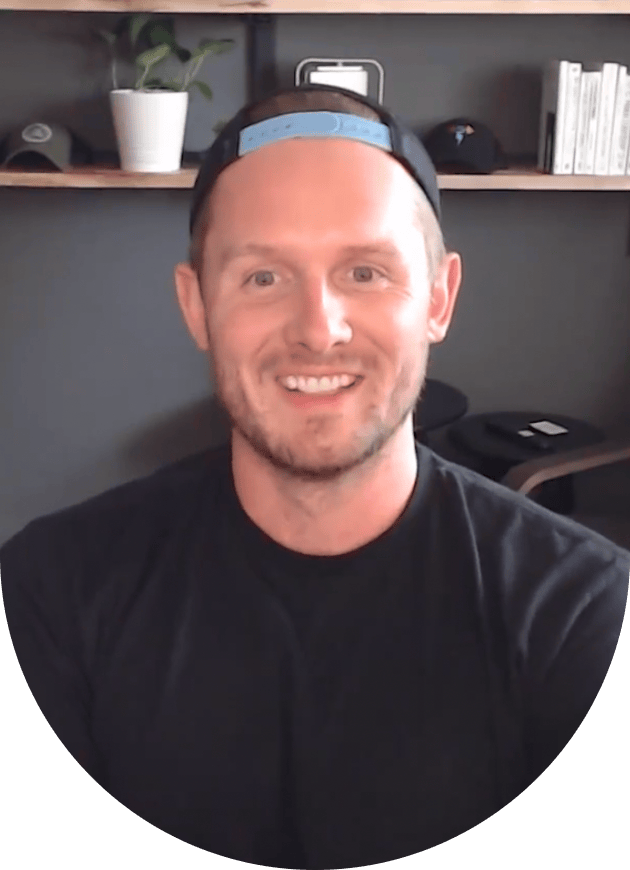
Best of 2026: From Trainer to CEO w/ Dylan Mayorquin
[00:00:00] Welcome to the Business of Unicorns podcast, where we help gym and studio owners create a business and a life they love. I’m your host, Michael Keeler. Join me and the Business of Unicorns team each week for actionable advice, expert insights, and the inside scoop on what it really takes to level up your gym.
Get ready to unlock your potential and become a real unicorn in the fitness industry
Hello my friend. Do you want more leads and more clients for your gym? Yeah, of course you do. And we’ve made it easier than ever for you to do that with our updated and revised Little Book of Gym Marketing Secrets. This is a totally free resource, and it covers how the best gyms are getting leads week over week.
And even if you’ve downloaded this free resource from us before, you’ll wanna get the latest edition ’cause it covers updated [00:01:00] recommendations that factor in things like AI, changes in the organic meta algorithm, email marketing filters, and so much more. It’s really a zero-fluff guide that you can read in less than 30 minutes, and it covers literally everything you need to know to grow your gym.
So to get instant access to your free copy, click the link below in the show notes. Do it right now. Hello, fitness business nerds. What’s up? Welcome to another episode of the Business of Unicorns podcast. I am back with, I think, maybe our first guest of 2026. We haven’t had a guest on this podcast in a hot minute, and I’m very excited to welcome for the first time on the podcast, Dillon Marroquin, who is the founder of Integra Fitness over in Nashville, Tennessee.
Dillon’s been in unicorn side, I think, since late 2023. And in the last two years, he’s just been a fucking rock star as he nearly doubled the size of his team, his client base, and his revenue over the last two years. And we wanted to have him on the podcast today to share what the hell he’s been up to and how he’s been [00:02:00] doing it, so you can all steal his ideas and have the same success.
So welcome to the podcast, Dillon. Thanks for having me, Michael. Yeah. What a treat. It’s been so fun to get to know more about you and your business over the last two years, so I really appreciate you taking the time to come on the podcast and kind of share what you’ve been up to and share what’s working for you.
I really appreciate your time. Of course. Yeah. Happy to be here. Maybe let’s start a little bit about, just give everyone your quick origin story. How did you become the founder of Integra Fitness in Nashville? Yeah. I think my origin story is probably very similar to most of the listeners. Yeah. I was a personal trainer.
Yep. And I got good at personal training, and I built a big client list. And it was like, okay, I guess the logical next step is to open my own gym. Yeah. Instead of paying rent to another business owner, I’m gonna pay it to a landlord and build a business. Yeah. Amazing. And how did you decide, like, when and where?
How did you know it was the right time, and find, like, your kind of ideal location? Yeah. It, it was the right time for me when the numbers didn’t make sense [00:03:00] for me to continue to pay a gym owner rent versus- Yep … uh, versus a landlord. It’s okay, I am working so many hours that mathematically I’d be on top if I open my own gym.
Mm-hmm. And yes, it’s more work, but, but it- I was ready for that. I looked in the … I wanted to stay in the local area- Mm-hmm … where I was training as a contract trainer, so I just began looking at spaces, and I took my time and waited for the right space to come along. Yeah. Good for you. And if you don’t mind me asking, how did you fund your startup?
Was it all just k- self-funded? Did you get a loan? Was it family and friends? Like, how did you do it? Yeah. Self-started, all cash. I, I was given some good advice early on to, to try to avoid loans if you can. I know- Mm-hmm … there’s been plenty of successful businesses started with loans- Yeah, of course … but w- wasn’t for me.
Yeah. Yeah, good for you. I think if you can be a successful personal trainer, and we know there’s a lot that listen to this podcast, which is why I’m spending a minute on this point, is, is if you can, while you’re working, save enough money to self-fund your start [00:04:00] and not start with a ton of debt, right?
That’s huge. Right off the bat, you’re not having to pay back a loan. That’s amazing. But it requires like a real disciplined person to be able to squirrel away that extra money month over month, uh, maybe year over year, to have the money for a down payment and for buying the equipment. But good for you, Dylan.
It’s amazing that you were able to do that. I– Fish and I have often shared our origin story at MFF, where we first opened. It was like he was an actor, and he had this one commercial that paid him well. He was able to squirrel away a lot of money for it. So that was our down payment, and then all the furniture in the gym was my apartment furniture.
I just emptied my apartment and put everything in, in the gym for the first time. So I just think when people can do that. So we started with really no debt, you know, which is amazing if you can do it. But anyway, thanks for sharing your origin story. Let’s zoom forward a little bit. And so you joined Unicorn Society, I think, towards the end of 2023.
And so it’s been about two years since you’ve been s- been with us. And during that time, you’ve had twins. Congratulations. Thank you. Who just had their first, first holiday season with the family. You’ve [00:05:00] nearly doubled your revenue and your client base and your team size. And walk me through what that initial experience was like when you first joined Unicorn Science Society.
How did you realize, how did you come to decide, “What are the things I’m gonna work on first?” Yeah. So I had known of you and Mark Fisher for a while. Yeah. And so it’s something that w- that was in the back of my head. Mm-hmm. And I, I decided, I, our, my business was already doing okay. I had decided that I got to a point where it’s, I just feel like it could be so much bigger- Mm-hmm
and I could get it to where I wanna be so much faster if I just hire the people that I think that can help me get there, and that was you guys. When I reached out, my biggest thing was like, “I don’t really have any written systems.” Like, we have a way of doing things, but it’s in my head. Yeah. And because that, that caused a lot of frustration.
I also wanted to figure out how to drive more business quicker into Integra, and so that was a big reason why I reached out. And then my team had grown, had just grown [00:06:00] to a second full-time employee, and I wanted help navigating that as well. Yeah. Yeah. That’s amazing. I think that’s the ideal person to join Unicorn Society, someone whose business is doing pretty well, like you’re on the right track, but what you really want is help and support to get farther faster than maybe you would on your own.
And I think that’s what we try to give in Unicorn Society, right? Is like, we try to fast-track by giving you, “Hey, don’t start with a blank piece of paper. Here’s a template. Don’t start with some random strategy. Try this first.” We try to tell you what the first step could be so you don’t, uh, you can maybe get farther faster with ideally less stress.
And so I’m glad you were able to come in at, exactly at that point, ’cause I think you’re kinda the perfect fit for the things that we do. So we were talking before this podcast. You mentioned there are really three areas of the business that you’ve worked on the most in the last two years. It was the marketing, kind of building systems and SOPs, and really learning to improve your management skills.
Maybe let’s just start with the marketing piece. Over the last two years, what are the most important changes you’ve made to your marketing systems? Yeah. We actually have- A calendar … a calendar for it now. Yeah. We, and [00:07:00] we, and we follow Mark’s calendar, which is great. But before- Sure … we followed that, like we, we had a system of- Mm-hmm
okay, it’s January, we’re gonna run this promotion- Mm-hmm … and here’s where we’re gonna put it. Mm-hmm. And, and that brings some people in. So just creating the systems for that, sticking to them, and, and then getting better at actually executing those promotional type things as we learn more and as we do it more was a game changer for us.
Yeah. You have any examples of campaigns now you’ve run a few times that keep getting better and better, just to give our audience, like, an example of what this looks like? Yeah. Once a year we do a three sessions for $99- Mm … campaign that brings in a ton of leads, and we blast it everywhere. Socials, email, on our whiteboard, talk about it in person with every client.
Mm-hmm. Right now we’re doing a, a bring-a-friend promotional right now. So things like that. And we’ll, we keep a list of all the ones that work great- Yeah … and we’ll come back to those. Occasionally we’ll try new things. But for us it’s just- Always keeping something going. Yeah We’re [00:08:00] trying to bring in new leads from everywhere we can instead of before it was just like, “Okay, let’s post to Instagram and then hope people find us and- Yeah
reach out to us.” Yeah. Yeah, I think that’s it. I think the, the strategy is, has to be more proactive, and I think you described so well we try and get all gym owners to do, which is to be always be making offers. Mm-hmm. Always be making offers, and yeah, make a calendar of what offers you’re gonna make to who and when.
And I think the other thing you mentioned here, Dylan, I think is a good lesson for our listeners is there’s, it’s no- there’s no use in trying an offer just once. ‘Cause the first time you run any offer it may fall flat, right? You might not have the messaging right, it may not be the right price point. You might not have sent enough emails, or maybe you sent too many, which is rare.
Usually it’s people don’t send enough, right? Maybe it wasn’t the right audience for that offer, right? So r- running offers repeatedly, going back to those offers and trying again and iterating and making them better and better over time, I think that’s a piece I see a lot of gym owners don’t do. They run an offer once.
“Well, that didn’t work. Never gonna do that again.” No, you do that again, but [00:09:00] learn from what didn’t work about it. Where did people get hung up in your funnel? What kind of feedback did you hear about the offer? Who did take advantage of it? And from tho- all that information you can s- make it better and better over time.
And if you do it t- two or three times and it’s just a goose egg every time, right, then I think it’s fine to abandon it. But the one and done folks just drive me nuts ’cause no one succeeds at their first attempt at anything. So you gotta really continue to refine the messages. Yeah. That’s amazing.
Anything else? What else in marketing? So you have a clear calendar, always making offers. Anything else in marketing that’s, or sales fo- process that’s really made a difference? Yeah. When we run those offers, tracking what’s actually happening- Mm … during them, super important for us. Yeah Tracking, uh, how many leads you’re getting, and then how many of those are actually converting to- Mm-hmm
long-term clients too- Yeah … ’cause I know we’ve ran promos that get a ton of people in the door, but 10% of them convert, and then- Yeah … that’s something we need to look at with how aggressive that offer was and if it was priced correctly. Yeah. How are you tracking those things? We’ll use [00:10:00] Excel sheets mostly for this.
Yep. And then we keep ’em. We revisit ’em each time. We make critiques as needed. Yeah And then just make it better. Yeah. I think it’s so smart just to have a few tabs for kinda all the different audiences you market to or all the different campaigns you run, and just track how they perform each time. ‘Cause you’re right, there’s some campaigns that they bring in a ton of leads and maybe really grow your email list or your text marketing list, but they don’t always convert to a membership or to the next step.
Which is fine. Maybe you go back and do that again just as a way to grow your email list. And there’s some that convert really well. I think keeping track of those metrics is really a big deal. And listen, I know that keeping track of metrics is not the sexiest part of anyone’s job. I don’t think anyone became a gym owner to be like, “Oh, I can’t wait to track all those metrics in my spreadsheet.”
But when you do it really unlocks, like, real clarity about whether things are working or not. Yeah. Cool. Yeah. Yeah. Good for you, my friend. Anything coming next in marketing? What’s the next improvement you’re hoping to make? Just getting better about e-executing a lot of our current [00:11:00] ones and just making sure they go as smooth and there’s as little friction on getting- Yeah
new people started as possible. That’s where I’m always looking. Okay- Mm-hmm … how can we add the very tiniest least bit of friction in getting somebody new- Yeah … in the door? Yeah. How do you find that out, Dylan? Where do you go to look for those kind of moments of friction? Just, I think just experience doing them- Yeah
and keeping inventory of it. I think that, I think it’s a great thing to think about, right, is the amount of friction you have in a process or a system, and looking for places where you need to grease those wheels. And sometimes it comes from feedback from clients who tell you, “That was confusing,” or, “I didn’t do the…”
Or people keep falling off your funnel at a specific point, or that based on the way you’re doing your sales cycle, certain kinds of people just aren’t converting, right? There’s all kinds of clues you have that there’s too much kind of friction in your system. But I think being a constant detective looking for that, and then being willing to tackle it.
Yeah. Mm-hmm. Just so we can make this a little bit more real, I feel like it’s maybe a little abstract. Can you just give me an example of a t- of a time, maybe recently, where you [00:12:00] found some friction in a process- Yeah … and you were able to fix it? Yeah. For example, our, our current promo, our bring-a-friend promo, I had two separate forms to give new clients.
Mm-hmm. One is a information capture, and then the second was injury and goal screening. Mm. And then I realized, “Why didn’t I just combine those two forms?” Yeah. It’s like, right? Maybe people fill out two different things. Yeah. Exactly. So just little things like- Mm … can make it quicker, easier, seem like you’re more on top of your game as a business for somebody that’s interested in coming and joining.
Yeah. Perfect example, Dillon. Yeah, exactly right. It’s like we have good intentions of gathering this information and gathering it in two separate places. Could have made sense, but it was, wait, this, this is too much to ask people, and I bet most people weren’t following through with both because there’s too, it’s too complicated.
And it’s those kinds of things that it’s just we have to tighten up all the time, which actually may be a good transition to talking generally about SOPs. I know one of the things you said, we were talking before this podcast, was one of the biggest changes to your business, and you said this a few minutes ago too, [00:13:00] was just writing things down.
So much of when you start a gym as a personal trainer, things are just in your head. The processes are just what you’ve done. They’re how you’ve decided to do the work. And then when you start to build a team, you realize they’re not mind readers, right? You have to actually write down and build systems for them to follow, teach it to them, make it easy for them to follow long term, audit their quality, control their performance over time.
Building SOPs is not just writing something down once. There’s a whole process. So maybe walk me through some of the most important SOPs you’ve developed over the last two years. Yeah. I, man, I’ve made so many. That was the, the biggest reason why I joined BFE- Mm … because I was like, I know that if I want this business to be where I want it to be- Yeah
I’m gonna need systems for everything. Yeah. And, like, we had ways of doing things, but- Sure … they were in everybody’s head, which led to tons of frustration, mostly on my end, ’cause I’m like- Sure … “Why don’t they do the thing exactly how I want them to do it without having it written somewhere,” right? Yeah.
You’re like, “Told them once. Why won’t them remember?” Who would’ve thought? Yeah. Ex- Exactly. The, some [00:14:00] of the first SOPs I created, if I can recall correctly, was- Things for our s- the standard of our service. Mm-hmm. Like, we have a standards of training SOP that outlines everything a coach would need to do during their sessions to be a, a super successful coach at Integra Fitness.
Sure. What- Like, greeting people by name as they walk in the door, showing up 10 minutes early with their program in their hand, how to coach an exercise, how to praise somebody for doing an exercise well- Mm-hmm … what to do after the session w- in terms of scheduling and things like that. So it outlines every single step that a trainer would need to be successful in a session.
Yeah. That’s a great one to start with, right? If you’re gonna, if you’re gonna start to write down expectations for anything, get clear about how you do what you do best. Get clear about how you add value to your client’s experience, because that’s what we’re selling, right? I say every, almost every podcast, what we’re really selling here is relationships and results.
Yeah. So if you [00:15:00] have a specific way that you’re helping your team is building relationships with your clients and helping them get results, like, that is the nature of designing a training session, right? Is how do we spend this usually hour together in a way that helps us build the closest relationship and help you get the best results?
Yeah. And, and almost everyone out there and listening to this podcast, you have an approach. You have a way of doing that hopefully has worked for you if you had any success at all, and writing down what that is so you can pass it on to your team, that’s so important. So that’s one you’ve done that’s been really critical is standards of training session.
What else? Any other SOPs that have been really important? Yeah. I’ll give you one that I created more recently- Mm-hmm … that’s really helped us a lot. And I do think it’s important, like, if there’s anything in your business that you find, like, frustrating- Yeah … or that things aren’t done the way that, that you would want them to be, I think that’s a good opportunity to look at creating a system or an SOP for that.
And so one was around communication and scheduling with our customers. Mm. And [00:16:00] it, it highlighted how quickly you should respond to a customer if, if they text you. Yep. When you should have them scheduled by with a firm cutoff, how quickly should you check out appointments after a client session, and all of that really helped us organize how efficiently we book clients and get them checked out from their appointments.
Yeah. Good for you, my friend. I think it’s, it looked- being able to look at some of that stuff, and I imagine, I’m gonna guess, one of the reasons you worked on that one so much is that it wasn’t happening consistently. Exactly. It was one of those thorns in your side where we’re like, “Oh- Mm-hmm … why can’t everyone get on the same page about this?”
Well, it’s because you haven’t made it easy for everyone to be on the same page. And so writing a clear SOP about this is exactly how we all approach this. And then I like to s- pause when we talk about SOP sometimes and say the point of an SOP is not to make your whole team like robots. In your SOPs, there’s still gonna be some wiggle room for people to insert their personality, to be their authentic selves, and insert their style, especially in a training session, right?
You really want them [00:17:00] to be their authentic self. But SOPs are about the process that we all follow, and I think something like billing, scheduling, how they interact with and communicate with clients, like all that stuff needs to have some standard or else your clients will experience it differently with different people, which is not what we’re looking for.
Absolutely. Yeah. Good for you. Clearly, writing the SOPs, I think, is a great first step. But writing the SOPs or filming the video, whatever, whatever format your SOP is in, is really just the first step, right? And then there’s this process of training people and sometimes retraining people and holding them accountable.
So talk to me, what’s your experience been like with kind of enforcing and upholding SOPs? Yeah. I think as a business owner, a lot of times, at least for myself I should say, I worry about creating an SOP- Mm-hmm … and then having people following it, and worrying there might be some type of pushback or- Yeah
yeah, them thinking, “Oh, man, I, I feel really robotic in this job.” But I’ve found that typically people like structure- Mm-hmm … clear instruction and a way of doing things, and it [00:18:00] really helps people- Mm … be the best they can at- Yeah … their jobs. And then, of course, hold- holding people accountable to it, it is gonna be part of it.
We do weekly one-on-ones here. That makes it a little bit easier to make sure that everybody’s on top of following our systems. Sure. And I think that’s super important to have a r- a regular meeting cadence, uh, to stay on top of that stuff so it doesn’t pile up and end up being a bigger issue than it needs to be when people aren’t following SOPs.
Yeah. I think that’s so smart, Dylan. I think it’s one of the things, biggest mistakes I see people make, and maybe this helps us transition a little bit to management conversation, but I see this all the time with Unicorn Society members, which they have great SOPs. They have checklists and videos and written SOPs.
They have all kinds of resources for their team, and they maybe do a good job of teaching it to them during their onboarding, but then there’s no ongoing check-in. There’s no ongoing management to make sure that someone’s watching and auditing those sessions, or giving them performance feedback, or even giving them feedback that comes in through clients.
And so the fact that you [00:19:00] have regular one-on-ones, even weekly ones, I think is really fantastic, ’cause that way there’s an ongoing conversation about their performance all the time, and you’re never more than seven days away from being able to have a sit-down conversation about what’s working or not working.
And yeah, good for you. Maybe let’s pivot to management, ’cause I mentioned earlier, like the three buckets of things you’ve really worked on are marketing, SOPs, and management. I know your team has, I think, really grown since, over the last two years. So maybe let’s just start with zooming out and say what was your experience as a manager before running this gym?
Did you have any management experience? Yeah, I had absolutely no management experience. And that- Yeah … that was a bit of a struggle. There’s definitely a learning curve when it comes to- Yeah … managing people. Like, like I said in the very beginning, I feel like most of the people that are listening to this podcast were trainers first.
Yep. It’s pretty rare somebody, uh, gets an MBA and opens a gym. You probably go somewhere else. Yeah. So I had no experience. It was, it was a big area of opportunity for me, and honestly, like the more I do it and the more, the better I get at it. I really like it [00:20:00] because your team be the, the best versions of themselves at work that they can be.
Yeah. In many ways, I think taking the same mentality that made you a great personal trainer and applying it to your team is a shortcut for how to think about being a good manager, right? If you thought you were a great personal trainer and you were great at meeting people where they were at, helping them try new things, teaching them things they never learned before, inspiring them to keep going, helping them overcome obstacles, celebrating them, right?
You just named the whole toolkit that makes you a great manager, right? People who are great coaches have a lot of the s- skills that’s required to be a great manager. But one of the things that happens is once you start paying someone for their time, the dynamic changes. Think of them very much like a client who’s paying you, right?
Yeah. And so there’s something about that transaction sometimes make it… makes it harder for folks to think of their employees as people who are in need of p- empathy and patience and praise. It can be sometimes. Loving them. Yeah. I’m [00:21:00] paying them. Why don’t they just do it? Yeah. ‘Cause I’m paying them.
That’s not really how they… people work. Um- Exactly … so I think that’s… So maybe thinking back the last two years, what are some of the most important lessons you learned? Maybe just name one or two of the most important lessons you’ve learned, uh, as a relatively new manager. Yeah, absolutely. Your employees or your teammates, they are not mind readers.
You have to be very specific on the way you want something done- Mm-hmm … when you want it done by, how it should be done. Never assume. You’re… You will end up fr- frustrated every single time. Every day. Yeah. Every, every single time. That’s like the biggest one, and then also just not letting things pile up.
Mm. Like address things as they come, even if it’s really small, because a bunch of really small stuff can end up in a blowup- Yeah … or a situation that, that doesn’t end up good. So just run into the uncomfortableness and just tackle it right away, even if it’s something small. And come from it not in a place of anger or frustration, if you can, but more from a place of empathy.
Yeah. Is everything going all right? Do you [00:22:00] understand this SOP, or was it more… or was it too confusing? What can I do to help you be better at it? Yeah. So just that kind of lens and changing it from a frustrated, angry thought to a more empathetic and how can I help this person. Yeah, that’s a beautiful- It really helps me
yeah, those questions were amazing, just coming in with a lot of curiosity about what’s going on. Is everything okay? Yeah. What’s confusing? How can I help? I know you can do this, so what’s it gonna take for us to get back on track? And that kind of supportive, empathetic energy is gonna get you much farther faster as a manager.
There’s gonna be consequences if you can’t ever get it, but at the f- the beginning, getting really clear about the fact that I’m here to help, I want you to succeed. We’re on the same team here. Your enemy. And that’s… establishing that rapport I think is really important. Yeah. I also love what you said about- People can’t read your mind, right?
And I think that’s… I see s- people getting that wrong still all the time, right? They, I hear all the time in coaching calls, “I didn’t say anything to them because it’s just common sense.” It’s like, no, it’s not. That’s your common sense, right? [00:23:00] Like, sense, common sense is personal, right? There’s no universal common sense.
I wish there was. It’d make our lives all a lot easier, but that’s not how it works. And maybe walk through… So you mentioned a few tactics that you use as a manager already, things like one-on-ones. Yeah. You have certainly clear SOPs. Seems like you’re really great about leaning in and giving feedback right away and not waiting for things to pile up.
I think we’ve all seen that happen, and I’ve seen plenty of manager and employee relationships that were just kind of death by a thousand cuts, where it’s like they never had the conversation until it was time to fire the person. It’s like, so you’re really good about not doing that and running into the fire.
What other kind of tactics do you use as a manager to keep on top of things on a regular basis? One-on-one meetings. What el- what else do you use in terms of tools or techniques? Yeah. We, we do the one-on-one meetings, and they have a lot of check-ins with it. Mm-hmm. I think having structure in those one-on-one meetings r- Yeah
is, is really helpful. We know that we’re gonna start it with something positive. Um, we’re gonna w- work through any problems they m- have, maybe it’s with a client, maybe it’s with meeting a deadline or something like that. Ha- [00:24:00] having a topic to work on for them- with them each week, and then wrapping it up and seeing if they need a- any support.
That’s really helped me to be organized in those meetings. That’s really helped me to be a better manager. Yeah. And really tackle any problems before they come preemptively. Yeah. I, I think that what I hear in that is just the importance of having a real clear agenda for your- Yeah … one-on-one meetings.
There’s a strategy going into those meetings, and ideally it’s the same, so you know what to expect from those meetings, and the employee comes in knowing what to expect, what they’re required to bring and be ready to talk about or present to you. And so I think that clear, that super clear is those one-on-one meetings have to have a real structure that supports you both.
What’s been your approach so far when people are, are not getting it right? What do you do when performance is slacking? Yeah. So we have a couple of systems that we use. So for small things, and I, we, we took this from you and Mark. We have a creative consequence system. Great. So somebody that’s a great employee that’s always on time sh- [00:25:00] shows up one minute late ’cause they hit traffic.
Okay. That’s not an every time. So- Mm-hmm … we do a creative consequence for that. And they can choose from a list of, I’m doing quotations here, “consequences.” Sure. But they’re more fun things like mop the gym, go get coffee for everybody. Sure. Do a one-minute Instagram post where they have to talk into a camera.
So that’s our self-policing- Mm-hmm … method that we use. Now if, if things, if it’s a more serious issue, which n- normally is not, or there’s a pattern of this, then we do a formal write-up. And if you get two formal write-ups in 60 days, there could be a performance improvement plan, and then of course- Yeah
going from there. Great. Which we haven’t had to do yet. Yeah. Yeah. Good for you. I think having that system in place is so important because then when it does come, become obvious that someone’s not the right fit, the system is a thing to help you determine that. It’s not out of personal judgment. It’s not like you s- having sleepless nights thinking about, “Do I need to fire this person or not?”
The system has told you. They’ve done a bunch of creative consequences. They’ve now been written up twice in, [00:26:00] in 60 days. They’re now on a performance improvement plan, and they either pass that plan or not. And I think we can maybe save performance improvement plans for another podcast for those of you out there who want to learn more about them.
But basically it’s just a written series of consequences. But if you can’t in the next 30 days achieve X, Y, or Z, then you can’t keep this job, right? It’s a f- final last step before firing someone. But I love that you have that system in place. I also love that you’re using creative consequences. I think too many people don’t- Spend enough time thinking about that initial infraction, that initial moment where someone starts to get off track and do something the wrong way.
Either it’s lateness or missed a deadline or didn’t follow an SOP, that you can have fun with that. That doesn’t need to be that serious. Sure. And the fact that you have a big, long list of things you can choose from, I think that it makes it, like you said, a little bit fun, even though no one wants to mop the floor.
Yeah. But still, the fact that, okay, I did fuck that up, it’s clear. I have to pick something. I think it makes it, makes it not so serious to have to fuck up. And then it’ll get serious if you keep fucking up, right? But the first one [00:27:00] can be light. Yeah, I think it’s inevitable that, that- Yes … we make mistakes, and a- anytime somebody makes a little mistake, to, to have to pull them into the office and have a one-on-one and- Mm
“What could you do better this time?” It’s, no, we’re all adults here. We’re all mature. Like, we, we can self-police ourselves. We know when we mess up. Pick a creative consequence. Let’s move past it. Yeah. Good for you. So looking back, maybe starting to wrap up our conversation a bit, looking back at the last two years, you’ve made huge strides in growing revenue and your team and your client base.
You’ve made huge progress in your marketing systems, designing really great SOPs. You’ve really leveled up as a manager. Just looking back at all of that, what kind of advice do you have for our listeners about how to follow in your footsteps? How do people get started if they know their gym is really capable of more and really want- they wanna scale, but haven’t been able to yet?
Where do they start? What’s your advice? Yeah. Always be a student. Yeah. Especially the… Running a business is a whole new set of skills. It’s totally different From being a personal [00:28:00] trainer or a coach, especially when you add employees into the mix. So just never stop learning and, and always strive to do better and do things better and do things more efficiently.
And when you do hire people, invest in them and grow them and help them level up as well. And that’s really been the main factor to our success, is our team and their growth. Yeah. Yes, add my friend. I think that constant learning is huge. I think once we get set in our ways and we get stuck and this is how I do things and I’ll never change it, you’re dead in the water.
Yeah. Have to always be looking for what’s the next iteration, what’s the next version, how can I get, make this just 1% better? And you’re such a perfect example of that. You’ve, you’ve always come… You came to this group in 2023 with such open eyes, such curiosity, such a sponge, asking lots of questions. And so I think you’re such a great example of, of what you just said, of really staying curious and learning every step of the way.
Thanks for coming on the podcast, my friend, and sharing your story. I’m sure we’ll have you back at some [00:29:00] point ’cause I have no doubt that your success will continue. For people who wanna follow you online or maybe find, follow Integra Fitness, where do they find you on the interwebs? At Integra Nashville.
I don’t really do much personal social. That’s it. That’s where you can find me. Great. We’ll put that down in the show notes below, so if y’all wanna just check out Dylan’s gym, or if you’re in Nashville and wanna swing by and say hi, we’ll put that information down below in the show notes. But thanks again for your time, Dylan, for all your wisdom.
I really appreciate it, and I’m excited for working together for many more years. Thanks, Michael. Me too. Appreciate you. D- yeah. Dear listeners, have a kick-ass week. I’ll see you on the next one. Bye.