



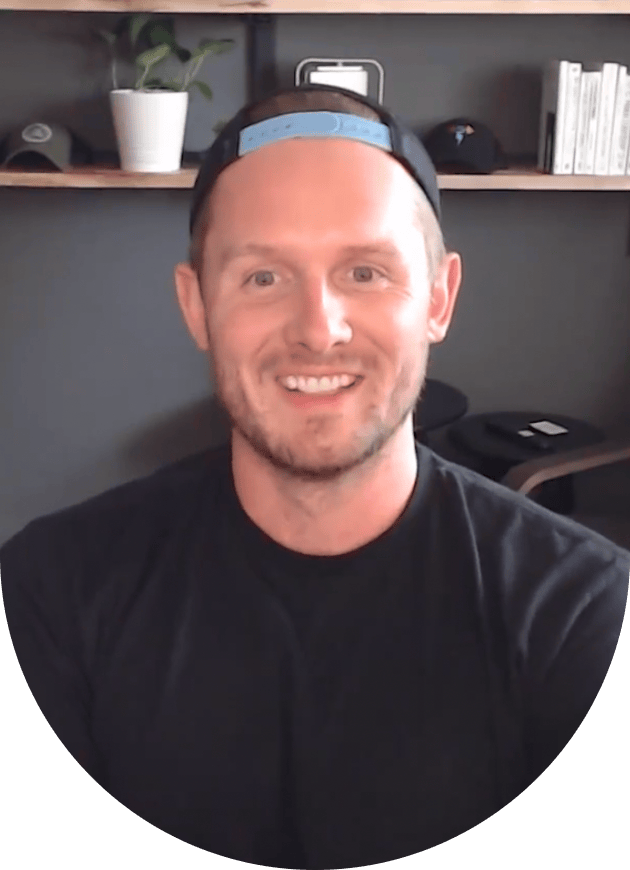

- Business For Unicorns Podcast
The Retention System That Grew Revenue 40% with Mickey Brueckner
[00:00:00] Welcome to the Business of Unicorns podcast, where we help gym and studio owners create a business and a life they love. I’m your host, Michael Keeler. Join me and the Business of Unicorns team each week for actionable advice, expert insights, and the inside scoop on what it really takes to level up your gym.
Get ready to unlock your potential and become a real unicorn in the fitness industry
Hello, my friend. This episode is brought to you by Exercise.com. It’s an all-in-one platform built for gym owners who are tired of stitching together scheduling, billing, and client tracking across four different tools. If you’re running a boutique gym or training business, Exercise.com puts everything in one place, fully branded as your own.
So head to [00:01:00] Exercise.com to see how gym owners are ditching their fragmented software stack for one system that’s built around your brand. You can also book a free 20-minute walkthrough and see what it could look like for your business using the link below in our show notes Hello, fitness business nerds.
What’s up? Welcome to another episode of the Business Unicorns podcast. I’m recording this on a Monday, and it’s one of the first things I get to do, and I’m stoked because I get to talk to one of my favorite gym owners. It’s Mickey Bruckner back on the podcast, who you all know as both a Business Unicorns coach, been on the podcast multiple times.
He’s also the, the founder of Annex Sports Performance in New Jersey, and just all-round, all-round amazing human. Welcome back to the podcast, Mickey. Thanks, Michael. Appreciate being here. I always love having you. And you are, you and Pete have been my gateway drug into sports performance land, and I’ve learned so much.
I continue to learn so much from both of you about the kind of gyms you run. And we have more and more people in Unicorn Society running sports performance gyms. [00:02:00] Even if that’s their whole, even if it’s not their whole model, they work with adults and also youth athletes, and you just do it so damn well, and it’s so fun to have you on the podcast and share all the great work you’re doing.
And so thanks again for agreeing to do this. Yeah. Thank you. Pleasure being here. Let’s maybe talk about the last year or so, ’cause we had a, a recent just, I think it was just a regular check-in call that we both had- Yep … and you were telling me how busy the summer was and how it’s grown so much from last year.
So maybe take me back to a year ago in your business. How were things going, and what were some early signs that you needed to change things up? So it was actually, we, this year has been, each year is, year over year we’ve seen really good growth. Yeah. So much of where we are in the stage of our business is just in constantly improving systems.
Yep. One of the things I believe we do extremely well is the training on the floor is excellent. And that’s one of the, the main drivers that I think sports performance facilities have to get right. Yeah. But I, what I did was w- in my year-end meeting with my leadership team, it was [00:03:00] a topic that I brought up with, how do we operationalize building relationships in- Mm-hmm
training setting with our athletes? Yeah. And one of the things that my team and I, we agreed on was, inherently a lot of these conversations, they need to be organic. They can’t be forced. Mm-hmm. Can’t really have a talking script. However, they need to be had, right? So that was my big push for them, really challenging them to say, “I understand that.
I understand that by nature these things need to be organic. However, we still need to make sure we are having these conversations.” So in essence, how are we doing that? And so- Yeah … that’s something we talked about finishing up quarter one for us, knowing that our s- transition in our seasons is winter to spring.
Yep. So part of our- Can I ask you a question about that? Sorry to interrupt. Yeah. But before you continue on, can you say a little bit more? So you brought it up in a, a leadership meeting, and you were saying, “Hey, one of the things I want us to invest in is how we build a system around building relationships with our [00:04:00] athletes, and then some, some cases, the parents making the buying decision.”
Yeah. “And how do we do this more systematically?” And I love this topic of course, and I’m so excited to hear more about what you did. And I’m curious, what made you think that was something that needed to be invested in the first place? Was it driven by some retention? What brought you to that as an idea?
Yeah. For me, I’m always looking at ways of improving the seasonality aspect of our business, and I felt that if we can stay ahead of the transition of the year throughout off-season, a- in season for our athletes, if we’re staying on top of our conversations that we’re having with parents, that we’re having with athletes, that’s what’s gonna keep them consistently training, whether it’s going from their in-season model to off-season and then back and forth.
Yeah Without that lag time, we’re not losing in revenue, we’re not losing in time in the gym. Mm-hmm. The compounding effects of training, like it all feeds each other. So that was the biggest thing. And it’s not that we weren’t doing these things well. It was always [00:05:00] my driver to say, “How do we do it better?”
Yeah. Because we continually have seen improvement in retention where most sports performance facilities don’t when they see athletes go into season. Yeah. It’s something that we’ve been really diligent about over the last three to four years. And objectively, our revenue has– You can see that, but how do we continue to get it better?
Nice. And so that was what we did. Um- So you’re really responding to even tightening up this kind of seasonality cycle even more, ’cause you’re already pretty great at keeping athletes training year-round. But you’re like, “If we improve our relationship, take it more s- make it more systematic, we can maybe even keep them coming a little longer, a little bit more.”
That makes sense to me. And also say this, while we’re talking about sports performance here, I think that this same thing applies to any gym. Yeah. ‘Cause even gen pop gyms who don’t work with any seasonal athletes have seasonality. Yeah. At, at Markers of Fitness, we had so much seasonality. People just totally leaving and jumping ship in summer and over the holidays.
And so no matter what kind of gym you own, I think this is a worthy investment to [00:06:00] make sure that you, people, when they do leave, you have some systems in place for keeping that relationship alive- Yeah … before, during, and after yeah, those moments. Okay, great. So you told your leadership team, “This is what I wanna focus on,” then what?
So then it was, “Hey, we need to have these conversations. How are we operationalizing this within our day-to-day? Is it so much that we are having checklists for our coaches, or is it just something that, you know, in our team meetings that we’re touching on this, hey, making sure…” I always say looking at the calendar, when do athletes transition?
These conversations need to start happening six to eight weeks before they go- Mm-hmm … go i- into their competitive season. Yeah. So what are the conversations we’re having with parents via text or email? What are the conversations that we’re having with athletes on the floor, whether it be before their training session, after their training session?
How are we preparing them for this so that they know that this is the expectation? And to be honest, we want them to understand we genuinely care. It’s- Mm-hmm … not [00:07:00] just when you’re here within our walls. We wanna make sure, hey, you had some pretty substantial goals when you came here. That’s only gonna happen if you stay diligent and stay consistent, right?
Because long-term athletic development is, it’s compounding effects. It’s not just an off-season of three months of training. So if you frame it as such, you’re gonna get that level of input from your athletes and your families. But if you frame it that, hey, we’re, we train athletes all the time, and these are the conversations we’re having, we’re preparing athletes so that they know it’s what training looks like, how long of a commitment it’s gonna look like, that it is attainable and manageable amidst all of the things that they’ve got going on- Yeah
then it’s, then they’re prepared, right? Yeah. And so it’s, they’re going into it with some level of context. Yeah. I think that’s so smart, Mickey, because yeah, I’ve been– I’ve said it probably on this podcast at least a million times that if you really want really great retention, it really starts with initial expectation setting and onboarding, and I think you’re reinforcing that here, and I think this is maybe even doubly true for athletes who, [00:08:00] once they’re in their season, it’s hard to make time for training as much as you do in your off season.
Absolutely. And, but setting expectations like, “That’s what we do here, though. You might train differently once you’re in the season, maybe a little less, maybe the workouts look a little different, but you’re here year-round. And if you wanna grow as an athlete long-term,” and we know they all, at least say they do.
Yep. Same thing with gen pop folks. If you really want to live this healthy lifestyle, taking off a few months per year- Yeah … is really not how we’re gonna get there. And setting that expectation from the beginning about what realistic, long-term, sustainable growth, change, development looks like, I think it’s just so smart.
It’s like it’s giving them the right mindset to be successful. The other thing you said that I wanna just underscore, which I think is really important, that people often think that they can’t really systemize conversations or systemize relationships. They want it to be so organic and authentic and free-flowing.
And those, I’m making fun a little bit, but it’s true. Those conversations should be that. But I love the way you started, which is, before we systemize anything, let’s systemize when we have these conversations. Yeah. And you said, [00:09:00] before someone is thinking about leaving for the start of their sports season, we need six to eight weeks beforehand to start having the conversation about what their in-season training’s gonna look like.
And again, I wish we did that years ago at Mark Fisher Fitness, to say, “Hey, summer’s coming up. Six to eight weeks before, let’s talk about what your summer workouts are gonna look like.” I think we eventually did at some point- Yeah … but early on we did not. We just had this mass exodus of people leaving.
And so I think that is a really great place to start when people think about building a system for conversations, is just nailing down when they happen so you and your team remember to do it. Yeah. Yeah. No, I, that’s great. I, and- Honestly, that was probably one of the, one of the most important things was like, we need to be intentional about this, right?
Yeah. How you do it, here’s some basic talking points, here’s what we’re focusing on, but just know that these conversations in these next couple weeks, they need to be done. Yeah. So. Yeah, so keep going. So t- you decided you’re gonna do it six to eight weeks in advance. You mentioned you give them some talking points.
What else did you do to make sure the team felt like really confident [00:10:00] executing on these conversations? In terms of with our team, like team meetings, we just talked about, “Hey, here’s how we’re bringing these conversations up. Here’s like a good time of when you can…” Maybe it’s at the end of a session, when would they plug this into their conversation with athletes?
But then it’s really just, “Hey, here’s the points we’re hitting. Why is it important? What does it look like? When does it happen?” S- just hitting those big rocks of getting an athlete to understand. So they know when they transition, it’s just a matter of when the time comes. A- and so- That makes sense. And that’s from our coach’s standpoint.
We’ll send emails to, to our parents through our email marketing. Our admin, as those periods transition, she’s reaching out to them, making sure that their billing is ready to transition when that transition point is. So both the parents and the athletes, they know when that time period comes. Yeah, that makes sense.
And what are some examples of the kind of talking points? So your team knows we’re having these conversations six to eight weeks out. They know when in the session is good to have it. Yeah. They’re [00:11:00] getting reminders, their parents are getting reminders, the admin’s reaching out. But then what do they actually say in the conversation?
Yeah. So one thing that we’ll do is we’ll ask them, like, “Hey, do you know what is your, what does your practice schedule look like on your first week?” Mm-hmm. Yeah. “I just wanna make sure, hey, if you’ve got … If you finish up at 5:30, why don’t we shoot to get here at least one day a week at 6:30?” Mm-hmm. “We’re here late.
Workouts won’t be that long, so you’ll be out of here in 45 minutes, and the o- that way you’ll get home in time to do your homework.” So we’re, like, we’re future casting all this stuff, giving them, like, context is like, “All right, this is certainly attainable.” And it’s, it- talking about it as if it’s like we’re not giving them the, the op- option to say yes or no.
It’s like, “Hey, this is happening.” Now I would say 95% of our athletes continue to train, and they heed those, that advice from us. Yeah. You’re always, you’re not gonna be perfect, but it’s almost like talking to them as if, “Hey, next Tuesday, when’s your light day? When you get done with practice early, we’ll see you.”
Right? So it’s almost just having those [00:12:00] conversations and just acting as if that they’re gonna be continually training, and that- Yeah … that starts from the moment a parent calls us and speaks with our admin. Mm-hmm. It’s, it’s part of our culture, right? We talk about how anecdotally the athletes that we’ve seen who’ve had the best success within our system are the ones who are training year-round.
Yep. We might also say, “Hey, your teammate, he’s gonna be coming in, or she’s gonna be coming in next week. Do you wanna join her or join him?” Yeah. So it’s like we’re trying to utilize all these angles so there’s, like, social proof that there’s making it, like, the norm and the expectation, and all those things, again, the compounding effects of all these conversations, like, over time, like, it just, we wear them down and so it’s- Yeah
it’s easy for them to make that decision. I think that all of that is also so successful because it’s on this baseline of, like, a cultural expectation of this is how we do things- Yeah … around here, right? Yeah. This is what we do. We … And so you can do what I think what in sales we would call this, like, presumptive close.
Yep. We talk to them as if they’ve already decided to stay. We talk to them as if they’re already gonna be training [00:13:00] their, in their in-season, and we just wanna know when. We don’t need to ask them- Yeah … if they are. We’re just asking when they are. When- Yeah … decide when to come. Let’s schedule it. And I think that makes so much sense.
And I think anyone listening, if you’re hesitant about doing that kind of presumptive close, it’s most likely because it’s not on this foundation of a shared cultural expectation. I think if you can train people from the very beginning that we train year-round. You might train a little less, a little more- Mm-hmm
and we’re here to upgrade or downgrade your membership as that, as y- as needed. But if you can proactively help them think through, I’ll use MFF as an example, summer’s coming. Let’s talk about how often you’re gonna be on vacation, or when you’re going to the beach, or when- Yeah … and let’s plan around it.
Oh, hey, you don’t wanna come three days a week, let’s switch it to two. Let’s get it scheduled- Yeah … right now. And I think those kind of proactive, presumptive conversations can really be helpful in making sure people stick around. And listen- Yeah … the pushback we got sometimes from our team, I’m not sure if you heard this at all, Nicky, right, was this idea of they never wanted to feel pushy.
They never- Yeah … wanted to feel- [00:14:00] That was true … right, like they were… And the thing that we would say to them is like, “We’re not pushing them to do anything they didn’t say they wanted to do.” Yeah. They came in and told us they have goals. They came in and told us- Yeah … this is what they want. And so we’re telling them, as experts, this is how you get it, right?
Absolutely. That’s what they’re literally paying us for, right? Yeah. And so while some people, I think, get a weird feeling when they’re having these conversations, the thing I try to reground them in is this is exactly why they need us, ’cause they wouldn’t do this on their own in the same way, and so they need our guidance.
Yeah. Do you get any of that pushback from your team as well? That’s exactly, was the counter from them is like- Yeah … “Well, we don’t wanna be pushy and we don’t want this to seem like force.” And I completely- Yeah … understand. Yeah. But as you said, this is why they’re here. We’re the experts. We’re guiding them.
That’s- Yes … that’s our sole purpose of getting them to, to their goals, achieve their goals. This is what it takes, right? Yeah. And if you’re not willing to do it, I guarantee you there’s athletes who are- 100% … and they’re gonna, they’re gonna pass you by. 100%. Yeah. A- and I would also add, because this was a topic that, that I was discussing with a couple gym owners the other [00:15:00] day, is that is this something that you can do after the fact?
And I said, “If you wait until the athlete- Mm-hmm … is seasoned, you’ve lost your opportunity.” You’ve lost it, yep. And they’re gone. Yeah. And so that’s why I’m, you had used the word proactive, like you ha- these, these ha- these conversations have to be proactive- Yeah … for them to work. Yeah. They have to start at onboarding, and expectation setting, and continue, and be weeks before they’ve decided- Yeah
already decided that they’re not gonna work out anymore. Yep. Or else they’re just gone. Yeah, I think that’s great. So then just talk me through a little bit about, you’ve talked about this maybe almost a year ago with your team. What’s changed? You’ve had some really- Yeah … huge growth and big success because of this, this new kind of added layer to your approach.
Yeah. So what changed most this year was we’ve always been so focused on transitioning athletes from their off-season, where they were training with high frequency, to in-season. One of the things that we were intentional about this year [00:16:00] was quite the opposite. Mm-hmm. Making sure as athletes were training in-season with us, getting them to, as soon as their season was over, transition them back to off-season.
Mm-hmm. Going from like a once a week or our in-season training package to like a two, three, four times a week training package, which- Yep … immediately would upgrade their membership. And I would say we saw like a 30 to 40% increase in revenue just in June alone- Wow … because of that, compared to last year.
And it was my performance director, this is something that, he’s not here, but he was really intentional about talking with the team. Like, “Hey, we’ve seen really good success transitioning them out of s- their off-season. How about we talk about transitioning them into their off-season?” Mm-hmm. So we’re not seeing that, rather than like a two or three-week lag, “Hey, just get right back in here.”
Right? Yeah. And so that was, that, that set up June and also now July for really good growth. Yeah. That’s huge. Th- this just goes back to speaking to like how important the timing is of these conversations and [00:17:00] making- Yep … these offers. Because 30, 40% growth in a single month year over year is giant, right?
It’s giant, and all you did was get basically the same amount of people to come back more sooner. Yep. Right? Yeah. And that just goes to show the analogy we often use is small hinges swing big doors. It’s like such a like little tiny tweak in some ways, but has such an oversize, outsize impact. And those are the kind of changes we, uh, when you get to your stage of running a business- Yeah
those are the kind of tweaks that we’re like, you dream of, right? Yeah. That I can make this little effort and this little tweak on our team, and it has this huge return. And just think about doing that year over year- Mm-hmm … and continue to improve both their time into the in-season and then back into the out- off-season.
So good for you. That’s huge. Thank you. Anything else about what you’ve been working on that would be helpful to share with our listeners today? No, I would say if you look at our growth this year, like that’s where we’ve seen from an operations standpoint- Yeah … and systems, that’s stuff that we’ve been really intentional and it’s– you’ve seen a [00:18:00] direct improvement on revenue, which is always nice to see, right?
It’s, it- That’s great … at our stage, like those, like you said, systems are how you really continue to grow and- Yeah … you nail the basics, right? Like we’re doing all that and it’s– and then it becomes like how do we continue to improve? At our stage, it’s our systems, and so- Yeah … and then making sure everybody’s on the same page, and that’s, I would say- Yeah
that’s one thing that we’ve also been very intentional about too, so. Yeah. Let me ask you this. I was gonna switch gears and maybe ask about some other things that you have going on, but maybe stick on this- … ’cause I only have maybe one or two follow-up questions, which is I know you haven’t gotten here yet, so this isn’t talking about what you have done, but maybe talking about what you plan to do, which is- Yep
now that you know this works so well, what do you think the playbook looks like for keeping this in place and keeping this alive? How does the team remember to do it- Yeah … on a regular basis? How do you hold them accountable for doing it? How do you even improve the quality of these conversations over time?
So like what’s- Yeah … what’s going through your mind when it comes to keeping this going? So what I would say is similar to something we preach at BFU is having a [00:19:00] marketing calendar, is I would sit down and each region is slightly different. Again, if this is all for sports performance, I would identify or what are your one to two biggest swings in membership base based off of- Yeah
kids going to and from their season. Identify those on a calendar. Work six to eight week back, eight weeks back from that point. Yeah. So maybe it’s, for us it would probably be spring, and we see a lot of kids go and play fall sports. So what are the dates? What are the talking points? What’s the emails?
What are the social media posts? What are the things that we can do from just putting together content? Yeah. That you can do pretty well in advance. And to be honest, a lot of the stuff you’re, it’s the similar talking points. You might just plug in different sports, right? Exactly. Or you might plug in different life events, like we had mentioned- Yeah
the summer or the holidays or, you know- Absolutely … whatever it is. Yeah. Yeah. And then from there, what I would say is really just getting refined in having those conversations. Mm. Getting, giving your [00:20:00] coaches the tools to say, “Hey, here’s a perfect time.” Maybe role-playing it if that’s something your team…
Now, inherently my team’s not crazy about that. Yes. We’ll push them on it from time to time. Yeah. And I try to, I know that’s something you’re big on, and I’ve certainly- Mm-hmm … seen the positive effects of it. But every team’s different- Yeah … so you gotta take what you get in a way, but also, hey, these are things that, that we can operationalize, and we’ve seen it make big improvements, right?
Yeah. This is going to benefit all of us if we can continue to nail this stuff down. Then it becomes just, hey, in our mee- on our meetings, mission control meetings with leadership, whether it’s our leadership team, because our, my, my performance director, that’s trickling down from him to our coaches. Yeah.
He’s having conversations in their weekly continuing education, “Hey, just don’t forget, have these conversations. We’re- Mm-hmm … we’re kinda going through transitions.” That’s something that I’m really proud of, that he’s taken the point on that, and it’s not directly come from me. And so to see that from a leadership perspective, it sees him, it’s just wonderful to see from my standpoint, so.
Yeah. Um, it- [00:21:00] I just always look at it like if we can at least, like you said, figure out when these conversations need to be had, give them some context as to like what should be said, and then go off and make sure we’re doing them and having them and checking in on those things on a regular basis. Yeah.
Yeah. Thanks for that, Mickey. I think that’s a really clear system that our listeners can go right down and act on today, right? Go find out what are those moments when your members tend to step away because they’re in the in-season of sports, because it’s the summer, whatever it is, and work backwards from there on, on your marketing calendar and create a real sc- timeline for a campaign.
And what you described here is like a really, a multi-angle campaign. It’s in-person dedicated conversations that have clear talking points and maybe even been practiced in role play if your team can handle it. If not, threaten them with role play if they’re not- Yes … if they don’t do it. Yeah. And then also has other components, right?
There’s email reminders, maybe text reminders, maybe signage in your space. But you really treat this like a marketing campaign. Yeah. Uh, and it’s a campaign that improves retention, right? This is, it’s a retention campaign. It’s [00:22:00] getting the people that you already have to stay longer, even if it means coming less for a little while.
And I think that’s a playbook everyone listening can go act on. Yeah. The one thing I didn’t add is that- Yeah … if it’s you that’s having these conversations with parents, for me, it’s my admin. Yeah. She’s reaching out and setting up like, “Hey, this is… When is the transition date of your son or daughter’s billing?”
Yeah. Again, with just presuming that they’re going to continue. Mm-hmm. And then that way it’s like, it’s if there’s any pushback, she’s having those same conversations with the parents. Yeah. And so simple ways of thinking about marketing, like I think of email marketing to parents to really prioritize health and longevity- Yeah
and long-term athletic development. And then with our content on social media, that’s more geared towards from a performance and social proof with our athletes. So we’re talking- That makes sense … to them on social. Yeah, that makes sense. And I think because you have those kind of two audiences, you have to really think through what do they care about, what do they need, and how does this message of working out [00:23:00] year-round land differently for each of them, right?
Yeah. And you’re right, I think parents really care about the safety and longevity and all that, and the youth athletes wanna know, “I’m gonna be the best,” right? Like- Yeah … “I’m gonna get better.” Absolutely. All right. I think that’s maybe all we have time for, but this was so helpful. And, and also just in case I didn’t say it yet, congratulations, right?
This is fantastic that you can identify a real need in the business to improve retention, continue to tighten your kind of year-round training, and that you can put something in place like this that shows such obvious, amazing returns, both in terms of impact on your clients and the performance they’re having, and on your finances, right?
I mean- Yeah … there’s wins all around. Congratulations, and thank you for sharing your story. Yeah. Thank you, Michael. Yeah. If people wanna follow NX or follow you online or learn more about what you’re doing, where do they find you? Yeah. The NX Sports on Instagram, all one word, and then @mickbruckner is my personal.
Usually my personal is just kids and, and- … [00:24:00] stuff around the house and coaching- Family stuff … my son in baseball. Yep. But the, our social media team and my performance director, they do a really good job of managing our NX Sports Instagram. Yeah. So plenty of stuff there- Amazing … to use- Yeah … as context. Go follow Mickey and his gym, and if you wanna work with him directly, join a, book a brainstorm call for us and come join Unicorn Society.
He can be your coach. But thanks again, Mickey. This was awesome, and I’m sure you’ll be back again soon to share your next win. So thanks so much, and listeners, have a kickass week. We’ll talk to you on the next one. Bye.